AR Journal
Best Practices for the Transportation and Storage of Chemical Products
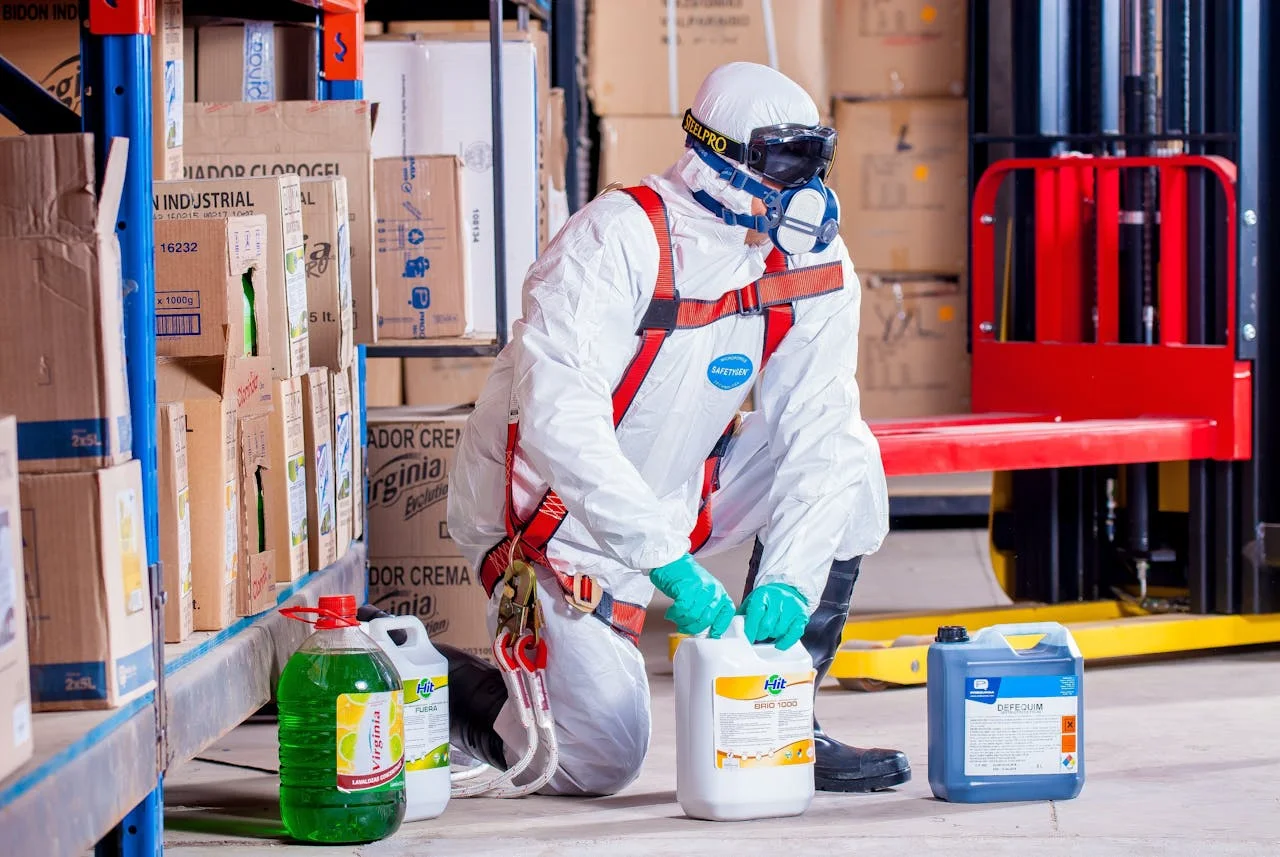
The transportation and storage of chemical products require strict compliance with safety standards. Improper handling can lead to serious accidents, health hazards, and environmental damage. Below are the best practices to ensure the safe and efficient management of chemical materials.
1. Proper Packaging
Chemical products must be stored and transported in certified containers designed for their physical and chemical properties.
-
Use UN-approved containers for hazardous materials.
-
Ensure labels clearly indicate product names, hazard symbols, and handling instructions.
-
Check packaging integrity before loading and unloading.
2. Storage Environment
-
Store chemicals in cool, dry, and well-ventilated areas.
-
Separate flammable, corrosive, and reactive materials.
-
Keep storage away from direct sunlight and heat sources.
-
Implement secondary containment systems to prevent leaks or spills.
3. Transportation Safety
-
Use vehicles approved for hazardous material transport (ADR standards).
-
Drivers must be trained in chemical safety and emergency procedures.
-
Avoid mixed loading of incompatible substances.
-
Secure containers properly to prevent shifting during transit.
4. Documentation and Traceability
-
Every shipment must include MSDS (Material Safety Data Sheet) and transport documentation.
-
Keep records of batch numbers, quantities, and destinations.
-
Implement digital tracking for real-time monitoring of shipments.
5. Emergency Preparedness
-
Keep fire extinguishers, absorbent materials, and spill kits on-site and in transport vehicles.
-
Ensure staff are trained in first aid and chemical spill response.
-
Regularly conduct emergency drills to maintain readiness.
6. Storage Duration and Inspection
-
Periodically inspect storage areas for leaks, corrosion, or container damage.
-
Follow FIFO (First In, First Out) principle to prevent chemical degradation.
-
Dispose of expired or contaminated materials according to environmental regulations.
Conclusion
Proper storage and transportation are key to maintaining chemical product quality, protecting workers, and preventing accidents. Following these best practices ensures safety, compliance, and operational efficiency.