AR Journal
10 Useful Tips for Professionals Working with Chemical Products
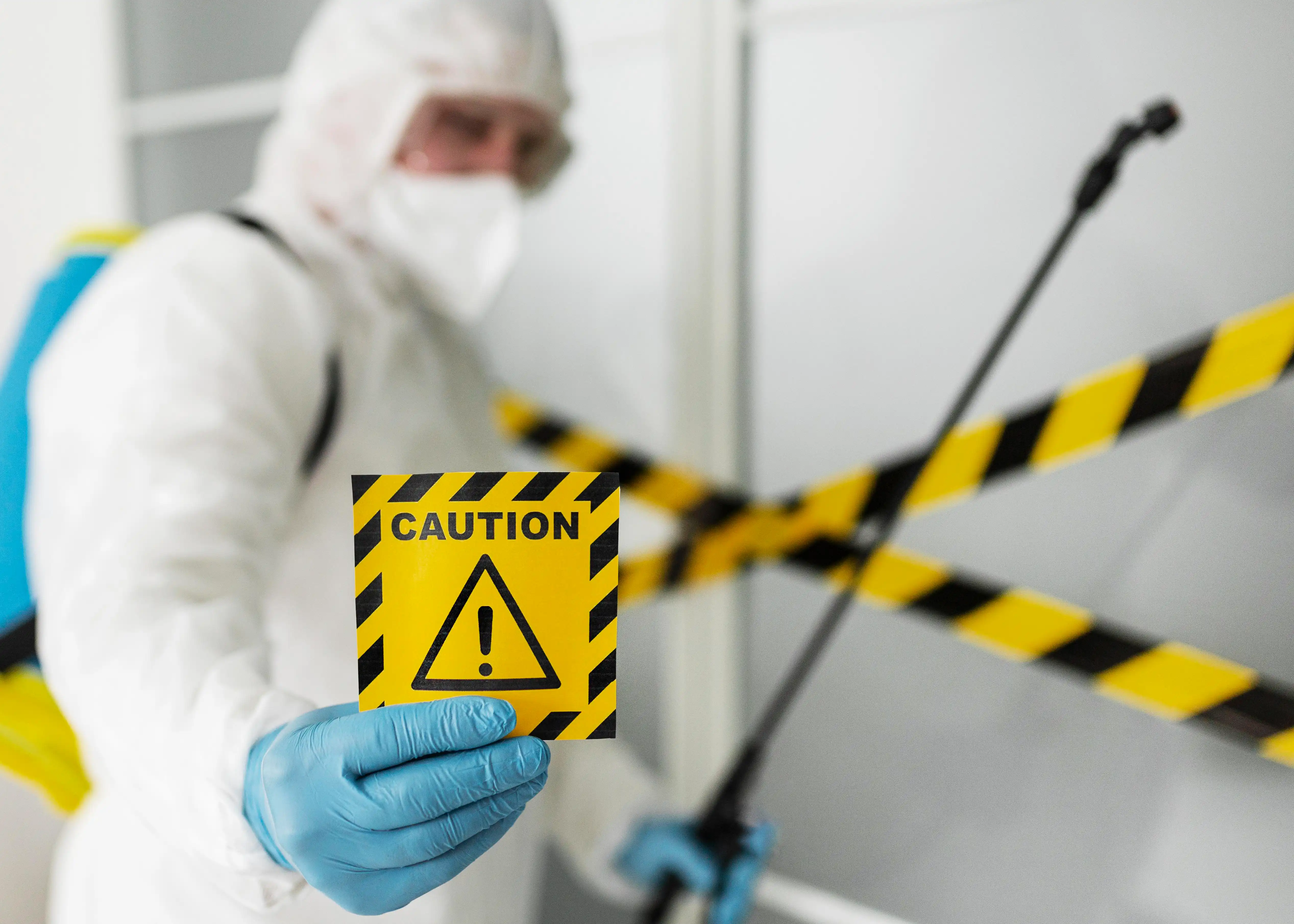
Working with chemical products requires serious knowledge, attention, and proper equipment. Especially for professionals dealing with paints, thinners, additives, and industrial raw materials, safety and quality must always come first.
Here are 10 practical tips you can use in your daily work:
1. Always Use Safety Equipment
Gloves, protective glasses, masks, and safety clothing — while these may seem simple, they protect you from respiratory issues, skin burns, and eye injuries.
2. Store Chemicals According to Their Labels
Read the usage and safety instructions on every product label. Improper storage can lead to explosions or dangerous chemical reactions.
3. Ensure Proper Ventilation
When working with thinners and other volatile substances, proper ventilation is essential. In poorly ventilated spaces, fumes can accumulate and harm your health.
4. Attend Safety Trainings
Taking regular safety courses helps you not only protect yourself but also improve your professionalism and efficiency.
5. Store Hazardous Substances Separately
Do not store flammable and reactive materials together. Thinners and additives should be kept in special containers, away from direct sunlight.
6. Keep Fire-Extinguishing Equipment Ready
Your workspace should always have CO₂ or foam fire extinguishers. Make sure all workers know how to use them properly.
7. Avoid Skin and Eye Contact
If products come into contact with your skin or eyes, wash immediately and seek medical help. Be especially careful if the product is labeled “corrosive.”
8. Clean After Use
Clean your hands, tools, and workspace regularly. This improves both safety and quality since chemical residues may react with other materials later.
9. Check Product Certifications
Always make sure the chemicals you use are original and certified. Fake products can damage both your work and your health.
10. Follow Waste Disposal Rules
Dispose of leftover or unusable chemicals in an environmentally safe manner. Always follow local waste management regulations.
Professionalism in working with chemicals is not measured only by skill — it’s also about safety, responsibility, and the right approach.
By applying these tips to your daily routine, you’ll protect yourself and achieve higher-quality results.