AR Journal
Equipment and Safety Gear for Those Working with Chemical Products
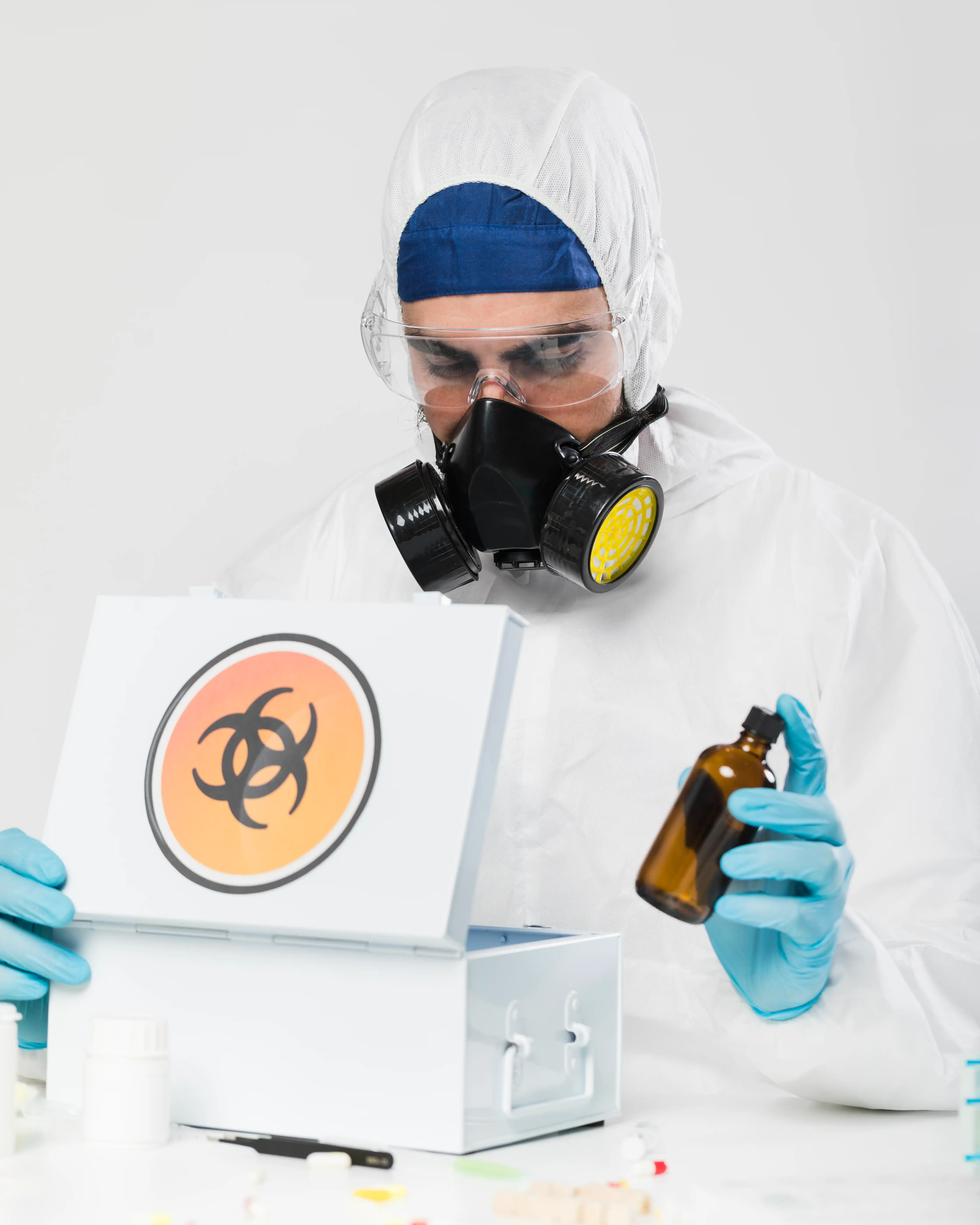
Working with chemical products requires a high level of attention and safety. Improper protection can lead to poisoning, chemical burns, and other serious issues. Therefore, everyone working with chemicals must use proper equipment and safety gear.
1. Personal Protective Equipment (PPE)
Gloves: Use rubber, nitrile, or neoprene gloves to prevent skin contact with chemicals.
Protective clothing: Wear chemical-resistant coveralls or aprons to protect against splashes.
Eye protection: Use safety goggles or face shields to protect against chemical splashes.
Respiratory masks: Use filter-based or air-supplied respirators to protect from harmful vapors and gases.
2. Workplace Safety Equipment
Chemical storage areas: Should be ventilated, fire-resistant, durable, and leak-proof.
Emergency showers and eyewash stations: For quick response in case of chemical contact.
Fire extinguishers: Use CO₂, dry powder, or foam extinguishers suitable for chemical fires.
Chemical spill control kits: Include absorbent materials, special containers, and cleanup tools.
3. Proper Work Procedures and Training
-
Provide regular safety training for employees.
-
Understand the correct methods of using and storing chemicals.
-
Learn emergency procedures and how to respond effectively to incidents.
4. Additional Safety Equipment
Ventilation systems: To remove harmful vapors and gases from the workplace.
Monitoring devices: Gas detectors to measure chemical concentration levels.
Hygiene stations: For changing gloves and maintaining cleanliness.
For those working with chemicals, safety equipment is a shield that protects life and health.
Proper selection and use of these tools ensure the safety of both employees and the entire workplace