AR Journal
What Is Thinner? What Types Exist and Where Is It Used?
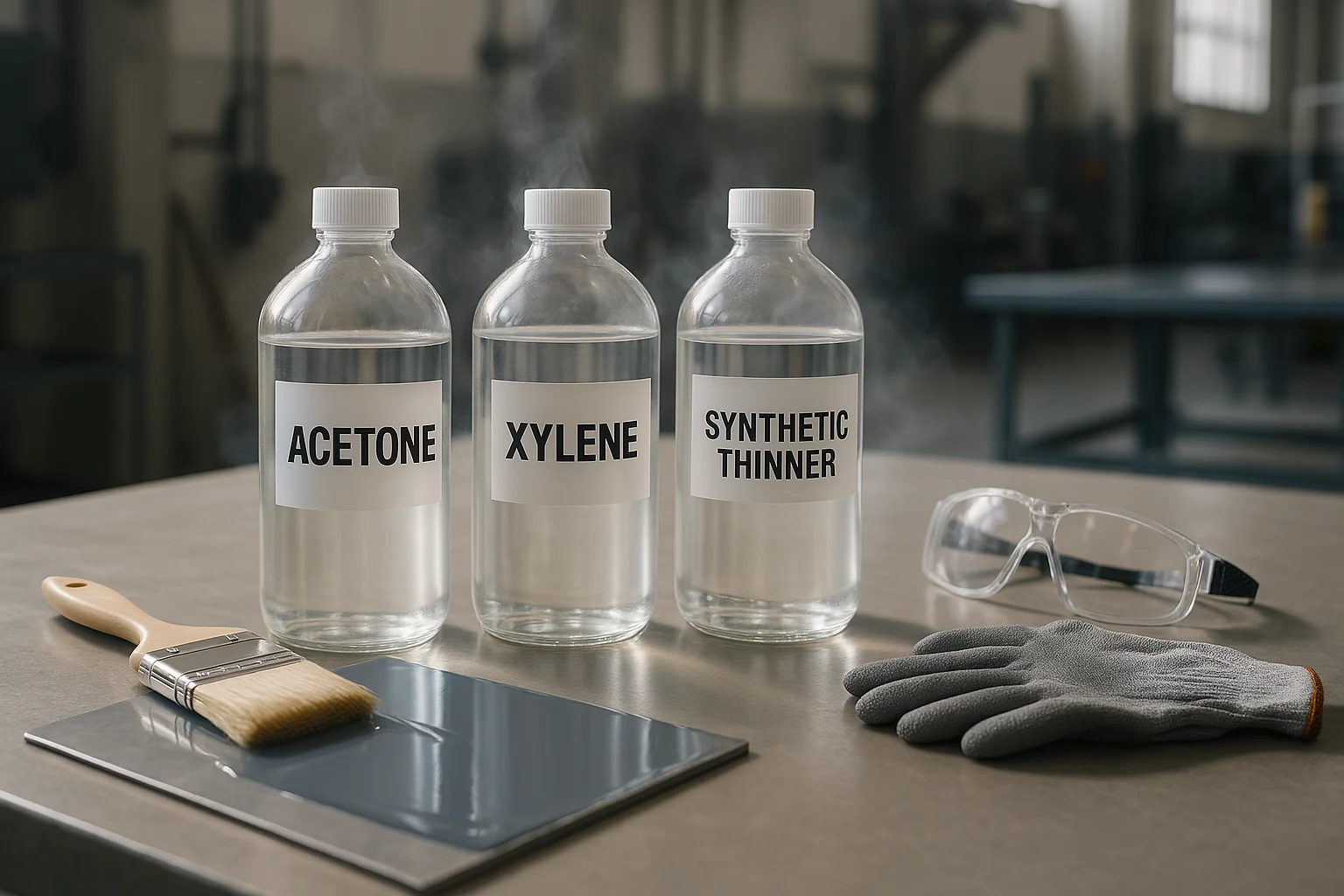
Thinner is one of the most widely used chemical substances, primarily used for diluting and cleaning paints. Especially in industrial and construction fields, thinner is an indispensable material for achieving professional painting results.
In this article, we’ll explain in detail what thinner is, its main types, and where it is used.
🔍 What Is Thinner?
Thinner is a liquid mixture of various solvent-based chemicals mainly used for:
-
Diluting paint systems
-
Cleaning brushes and tools
-
Removing paint stains
Its key components typically include:
-
Acetone
-
Toluene
-
Xylene
-
White spirit (mineral spirit)
-
Other aromatic or aliphatic solvents
🧪 Types of Thinners
Thinners are categorized based on their composition and application area:
1. Universal Thinner
The most commonly used type. Compatible with both synthetic and cellulosic paints. Also suitable for cleaning tools and brushes.
2. Cellulosic Thinner
Designed for cellulosic-based paints. Evaporates quickly and has a sharp odor. Commonly used in automotive painting.
3. Synthetic Thinner
Used with synthetic paint systems. Evaporates more slowly, has a milder smell, and provides a smoother surface finish.
4. Epoxy Thinner
Formulated for diluting epoxy-based paints and lacquers. Offers high chemical resistance and strong adhesion.
5. Polyurethane (PU) Thinner
Specially developed for two-component polyurethane systems. Resistant to chemicals and heat, ideal for industrial coatings.
🛠️ Where Is Thinner Used?
Thinner has a wide range of applications:
-
Paint industry: For diluting paints and cleaning tools
-
Automotive sector: For car painting, cleaning parts, and polishing
-
Construction: For preparing and cleaning metal and wood surfaces
-
Home use: For walls, radiators, and furniture painting
-
Industrial cleaning: For removing grease, adhesives, and residues
⚠️ Safety Guidelines When Using Thinner
-
Always use in well-ventilated areas
-
Wear protective gloves and masks
-
Keep away from children and open flames
-
Do not pour leftovers into drains or natural water sources
Conclusion:
Although thinner may seem simple, using the wrong type can negatively affect paint quality. Choosing the correct thinner ensures both professional results and safe operation.
If you’re looking for high-quality and affordable thinner products, check out the Archemical.co catalog. Our team is ready to provide technical support to help you choose the most suitable thinner for your needs.