AR Journal
Thinner Storage and Safety Guidelines
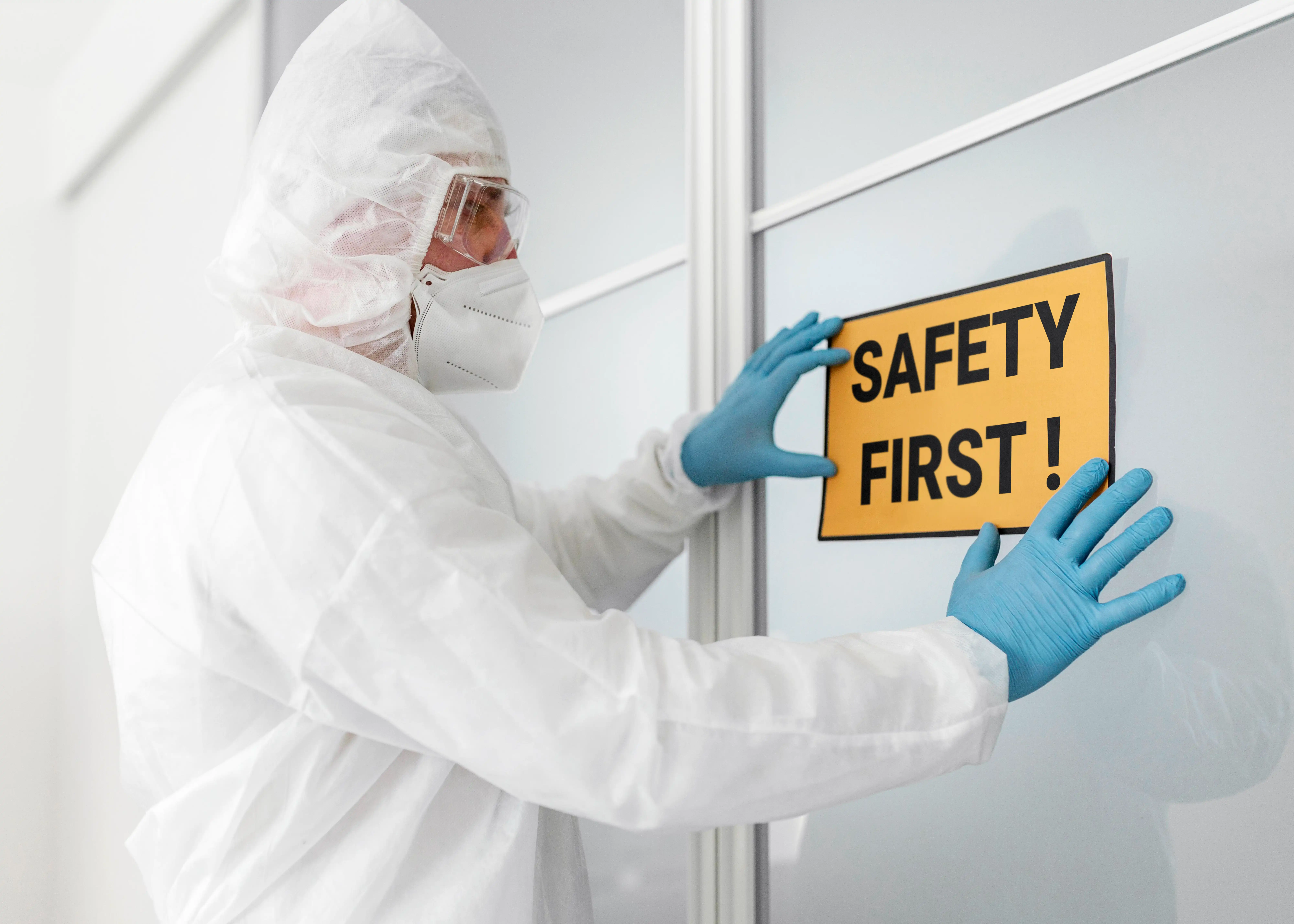
Thinner (diluent) is a fast-evaporating, highly flammable, and potentially hazardous substance widely used for thinning paints and other chemical products, as well as for cleaning purposes. Improper storage or handling can pose serious health and fire risks. Therefore, understanding proper storage and safety guidelines is essential for anyone working with thinner.
1. Physical and Chemical Properties of Thinner
-
Evaporates quickly and has a high vapor pressure.
-
Flammable – even a small spark can cause an explosion.
-
Harmful to health – prolonged exposure or inhalation may cause poisoning, dizziness, or respiratory problems.
2. Thinner Storage: What You Should Pay Attention To
✔️ Store in a well-ventilated and cool area
Keep it in places with good air circulation, away from direct sunlight.
High temperatures accelerate evaporation and increase risks.
✔️ Store in a fire-protected warehouse
The storage area must be insulated and protected against fire hazards.
Electrical equipment should be of spark-proof (Ex-Proof) type.
✔️ Keep in original packaging
Never store thinner in unlabelled or damaged containers.
Labels must clearly show hazard symbols and storage instructions.
✔️ Restrict access to authorized personnel only
Access to hazardous chemicals should be limited, and storage areas locked.
Employees should receive training on storage and safety procedures.
✔️ Keep fire-extinguishing equipment nearby
Use CO₂ or AFFF foam extinguishers.
Prepare an emergency response plan for spills or ignition.
3. Safety Rules When Working with Thinner
🛡️ Personal Protective Equipment (PPE):
-
Respirator (with filter): reduces vapor inhalation.
-
Chemical gloves and goggles: prevent contact with skin and eyes.
-
Antistatic clothing: prevents ignition from static electricity.
❌ Open flames and smoking are strictly prohibited
Areas where thinner is used or stored must be designated as no-flame zones.
🔁 Clean and dispose of empty containers properly
Even “empty” containers may release vapors and pose an explosion risk.
4. What to Do in Case of Poisoning or Emergencies
| Incident | What to Do |
|---|---|
| Inhalation | Move the person to fresh air and seek medical attention. |
| Skin contact | Wash thoroughly with soap and water. |
| Eye contact | Rinse at an eyewash station for 15 minutes. |
| Fire | Extinguish with CO₂ or chemical foam. Do not use water! |
5. Conclusion: If You Think About Safety, There Is No Risk
When used correctly, thinner is a useful chemical — but negligence can make it life-threatening.
Whether in industrial environments or small workshops, professional safety measures for thinner storage and handling must always be applied.